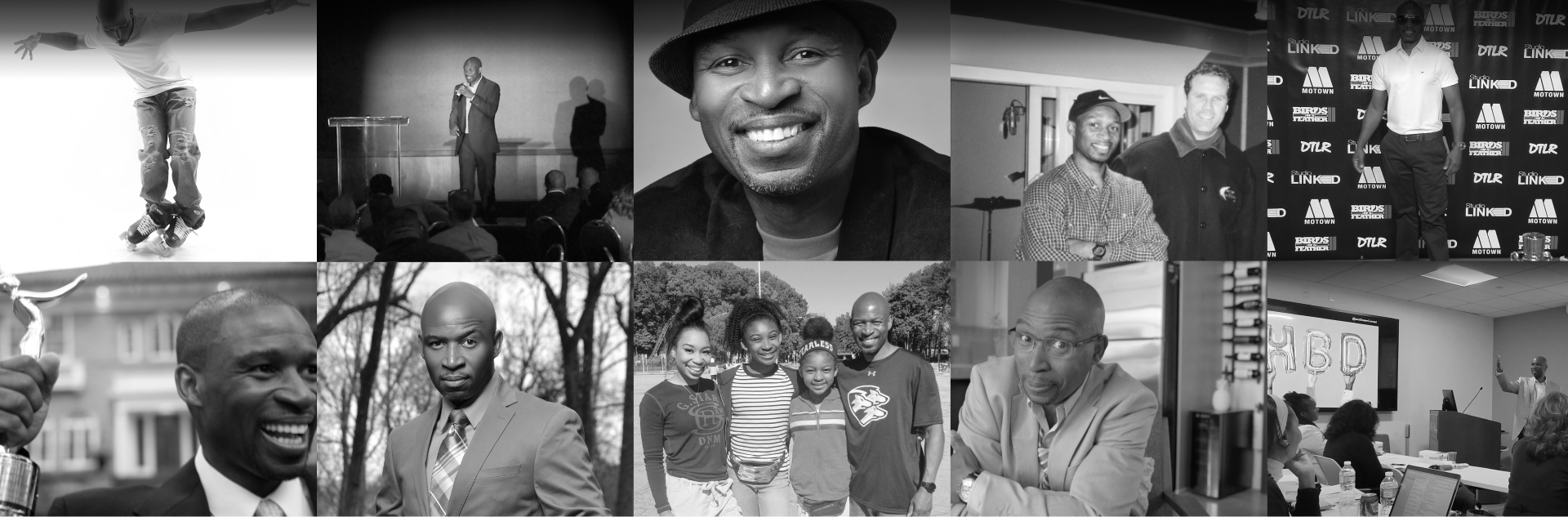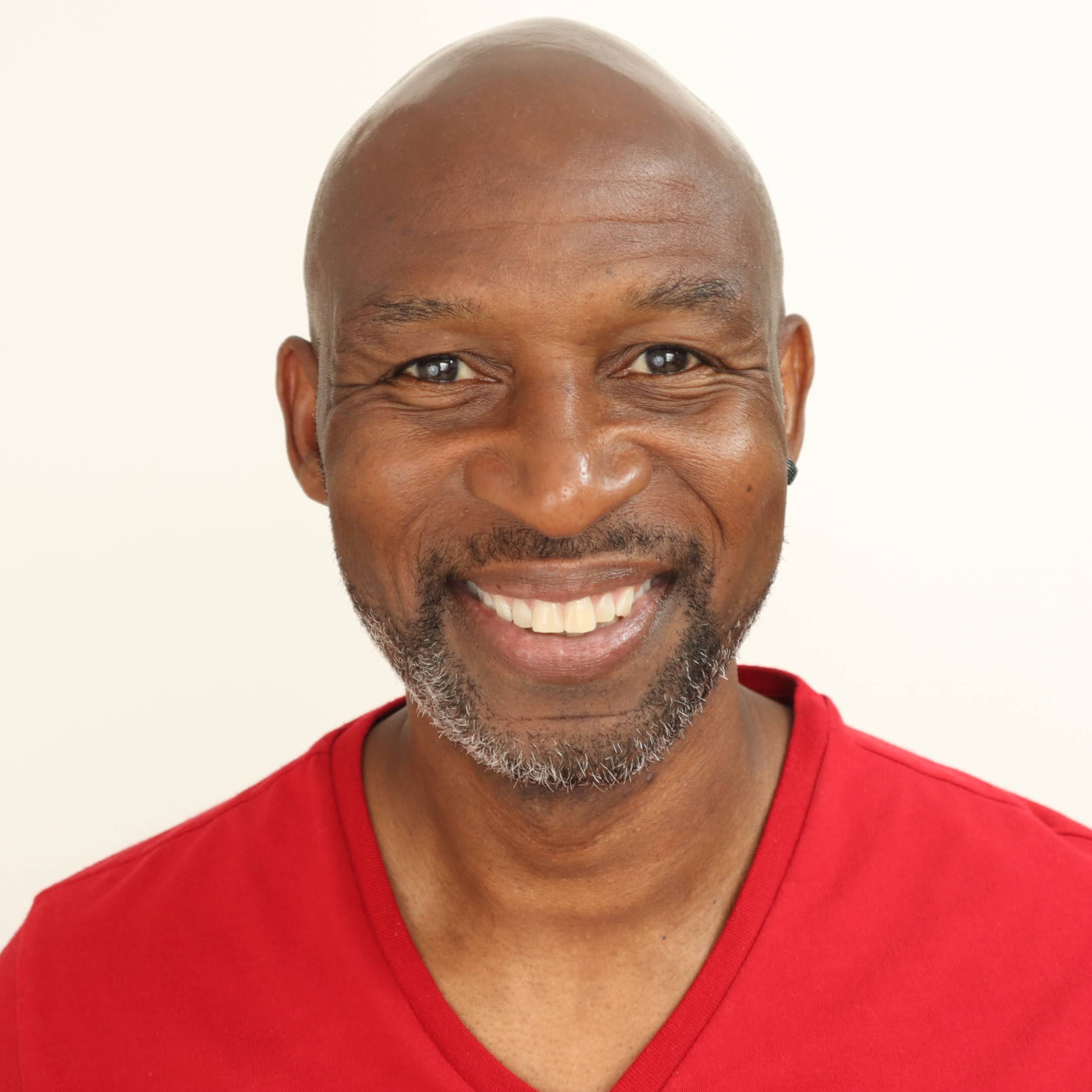
We'll tailor the experience to what matters most to you.
I build at the intersection of technology, human performance, and creative storytelling — with 20+ years of results across Fortune 500 brands, world-class sports, and entertainment.
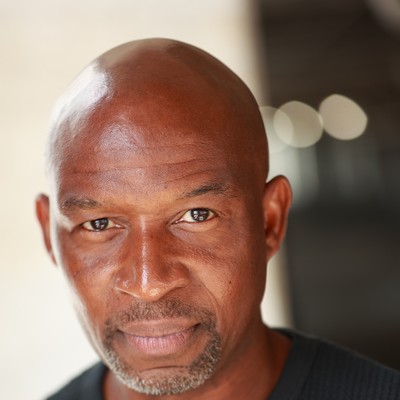
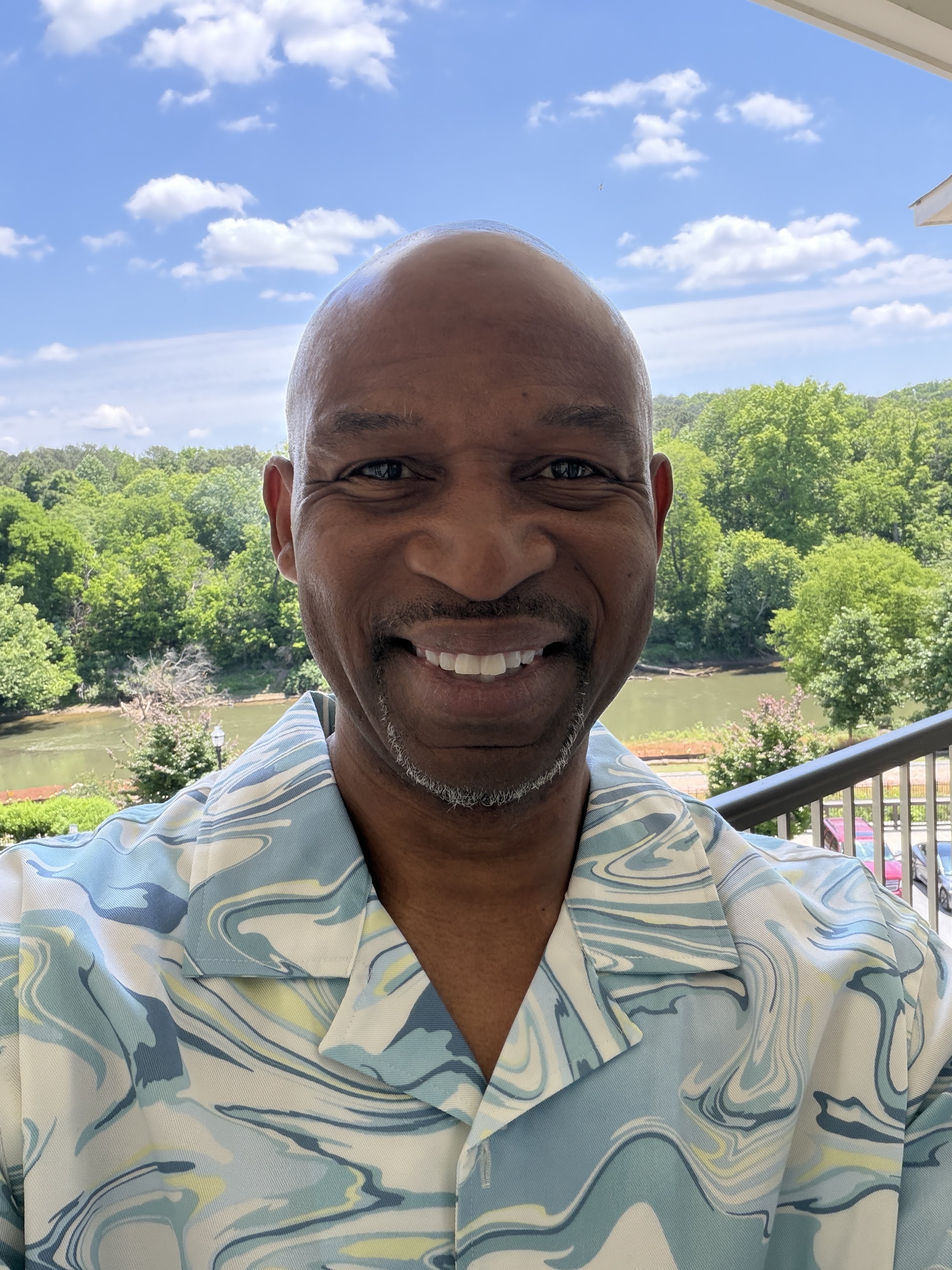
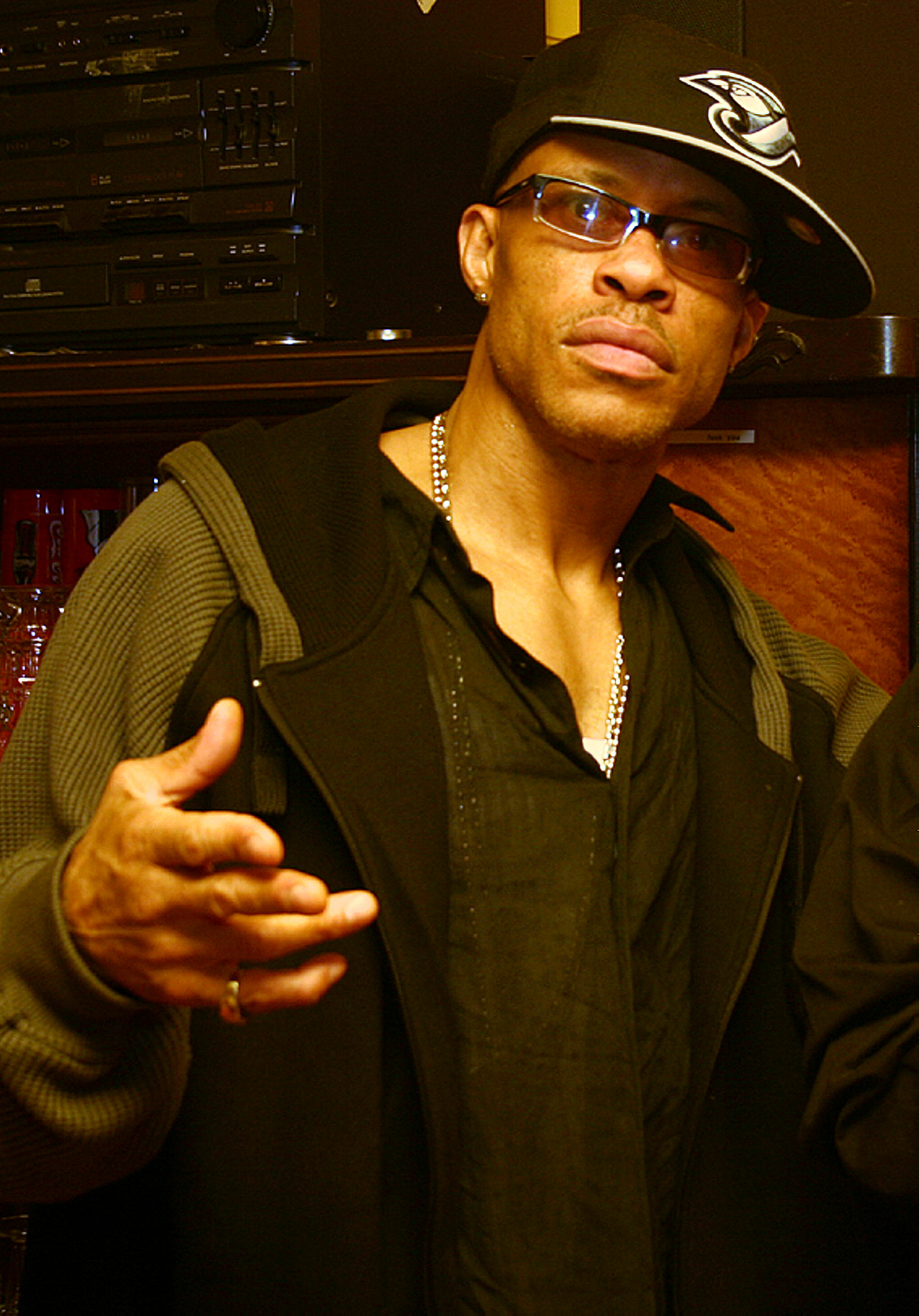
In less than 60 seconds of meeting Shawn Conrad, you feel an immediate connection. That's not an accident — it's 20 years of deliberate mastery across disciplines most people never attempt, let alone conquer.
Shawn is a ProMax Award–winning strategist who has shaped brand campaigns for Coca-Cola, The Home Depot, and Capital One. He now directs the product development of production AI applications — a live trading platform and a published iPhone app — through AI-directed development.
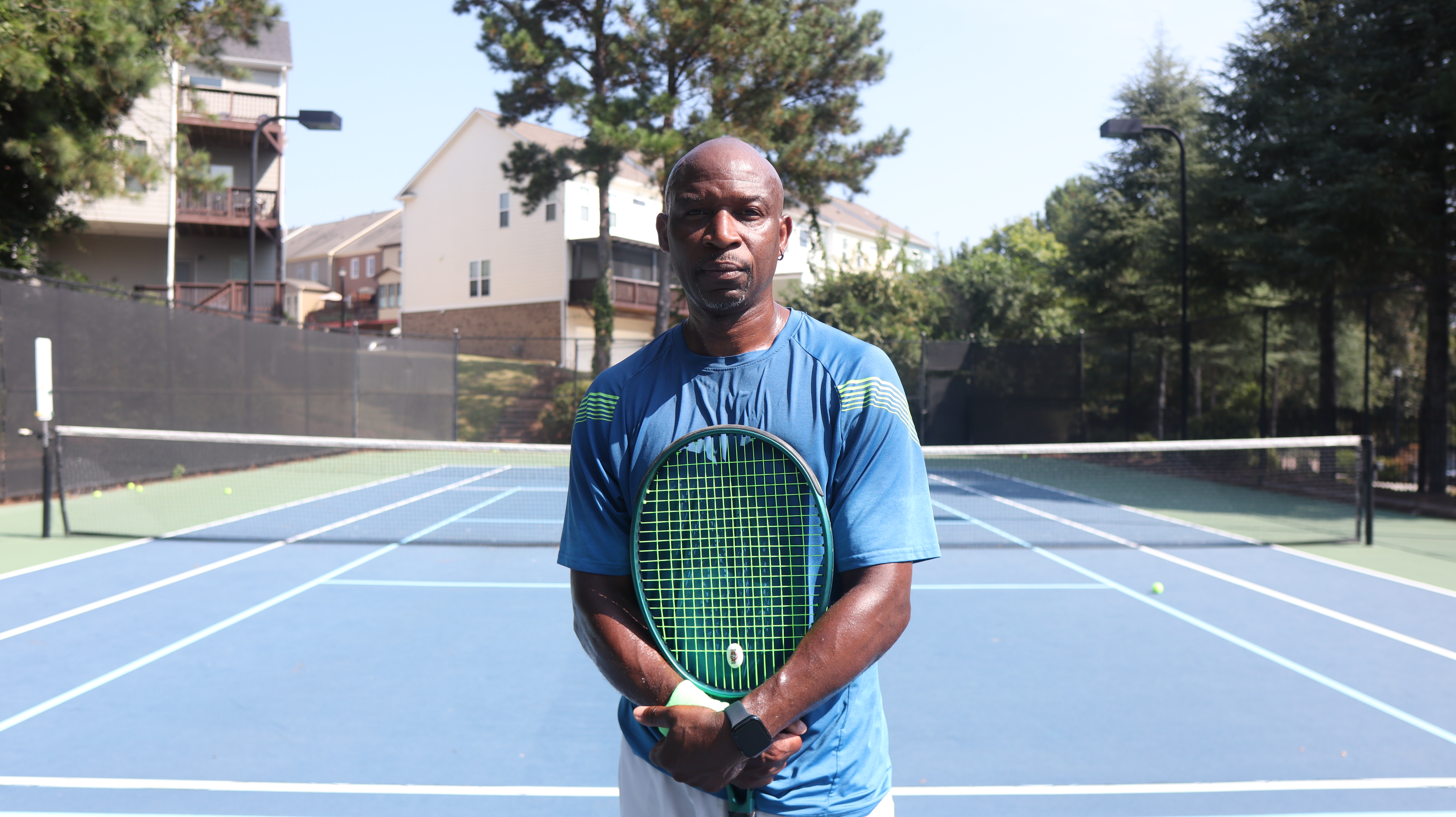
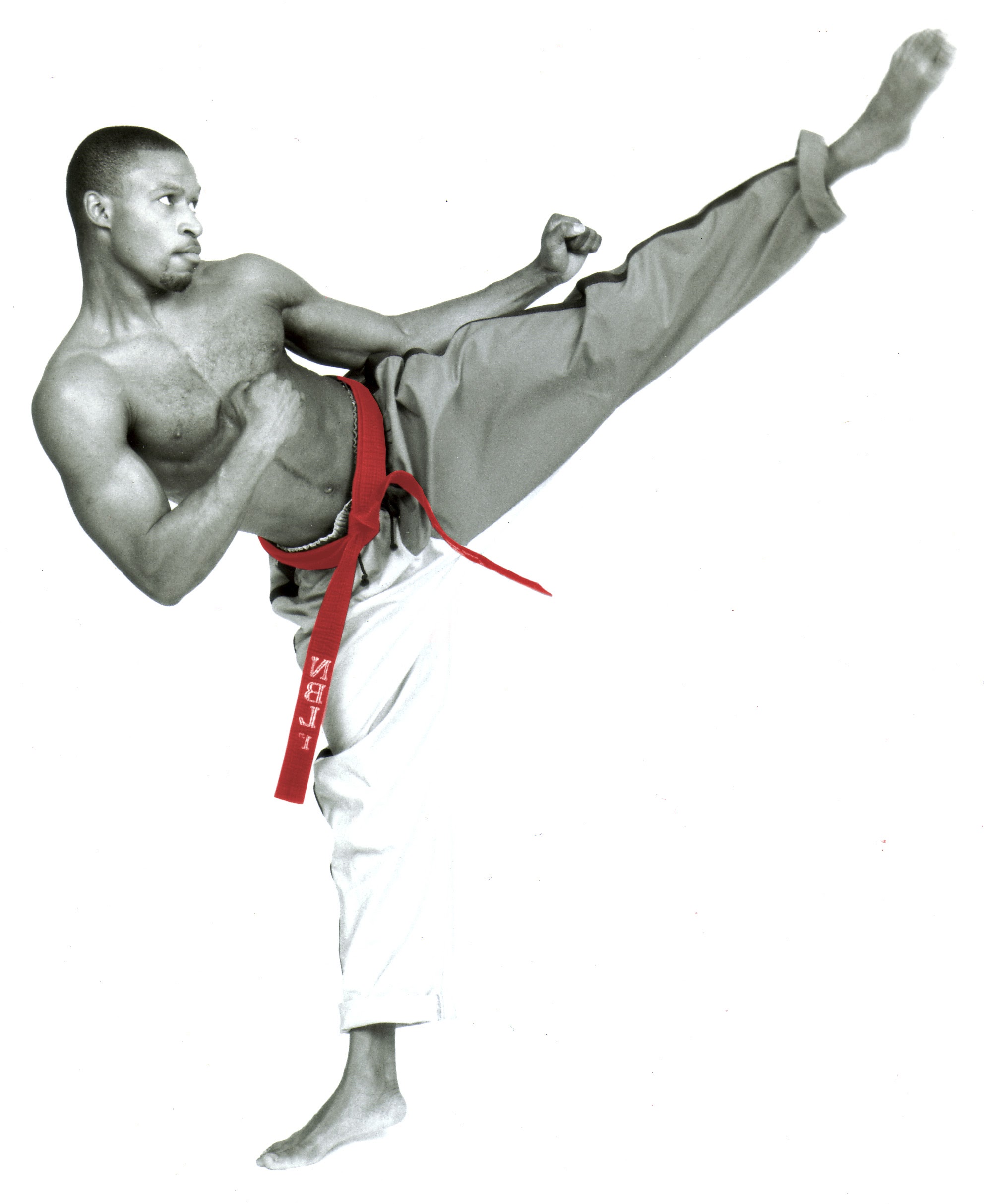
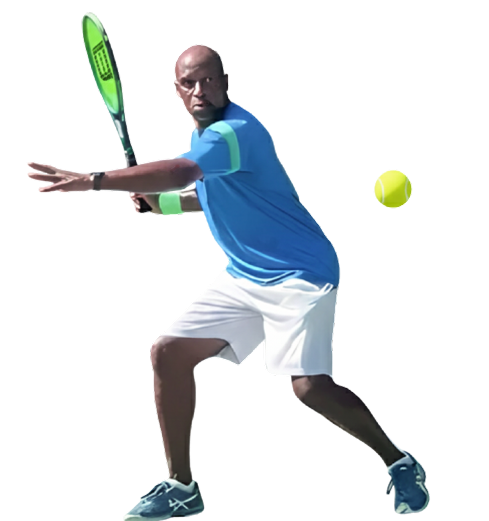
Shawn is a National Racquetball Champion, NYC Doubles Handball Champion, and Wilson Sports–Sponsored Athlete — with dual coaching credentials as a USPTA Certified Tennis Professional and PPR Certified Pickleball Instructor. He has built programs at every level, bringing the same discipline that wins championships to the players and facilities he serves.
Shawn is the voice behind the iconic One Piece English theme — still trending worldwide as the franchise explodes on Netflix — and the post-production engineer behind the English versions of Pokémon, Yu-Gi-Oh!, Teenage Mutant Ninja Turtles, Winx Club, and over a dozen more titles that raised a generation of anime and cartoon fans. His sound engineering credits also include Black Panther: Wakanda Forever and theatrical film campaigns for The Matrix, Shakespeare in Love, and Life Is Beautiful. A ProMax Award–winning Fortune 500 strategist and championship athlete, he doesn't just arrive at your event — he elevates it.
Best known as the voice behind the iconic One Piece English theme — a song that's part of every anime fan's childhood and continues trending worldwide as the franchise explodes on Netflix — Shawn's post-production credits span Black Panther: Wakanda Forever, theatrical film campaigns for The Matrix, Shakespeare in Love, and Life Is Beautiful, plus Pokémon, Yu-Gi-Oh, and Tyler Perry's House of Payne. Before that, he was cutting tracks in New York's golden-era hip-hop scene, credited as Freshco — appearing on Original Flavor's debut album Beyond Flavor (Atlantic Records, 1994) alongside Jay-Z, recording a freestyle with The Notorious B.I.G. on the DJ Enuff freestyle album, and touring with Ice Cube, Too Short, D Nice, and Kid Rock. He's built and mixed at the highest commercial levels of entertainment, with credits spanning decades and continents.
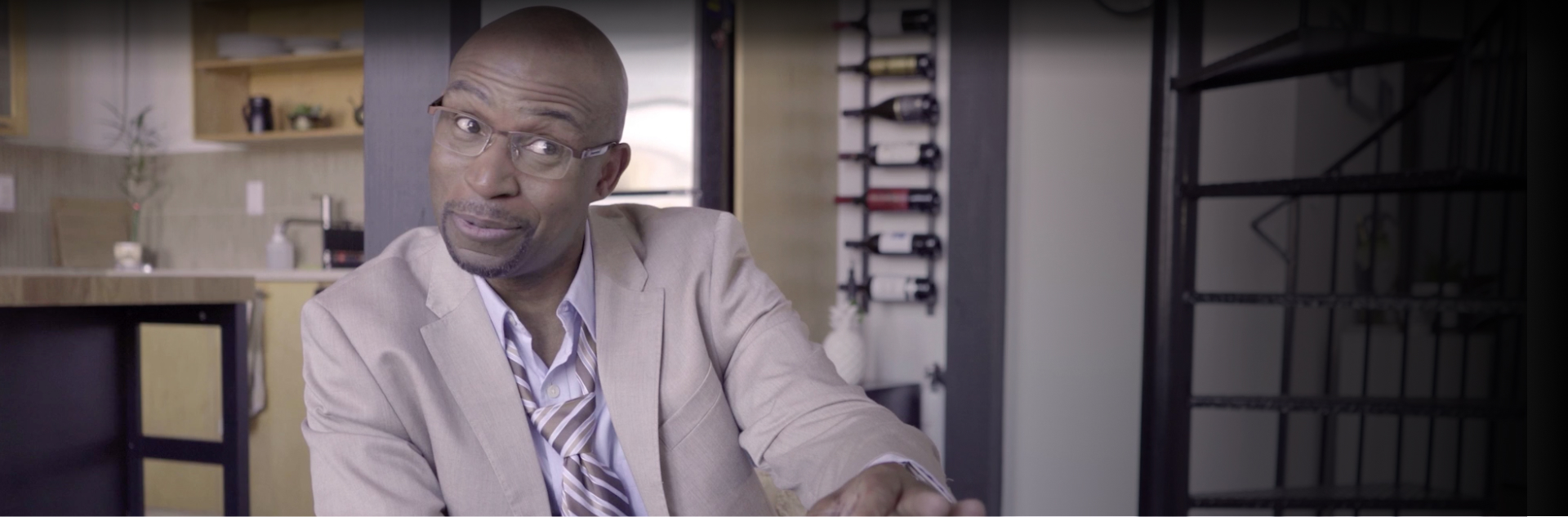
What separates Shawn from engineers who only know engineering: a 20-year career spanning Fortune 500 brand strategy, championship athletics, and entertainment makes him unusually effective at translating technical architecture into business outcomes — and communicating AI systems to the stakeholders who fund them.
The mindset that drives champions doesn't stay in one lane. Before the court, Shawn won the 1989 New Music Seminar World Championship as a rapper — the same relentless competitive drive he brings to every program, athlete, and training floor he touches. He also shapes brand strategy for Fortune 500 companies and builds AI-powered software — because the systems thinking of a champion applies everywhere.
Before the stages he performs on today, Shawn earned his performing stripes in hip-hop — winning the 1989 New Music Seminar World Championship MC battle in New York against a field that included Lord Finesse and Masta Ace, earning co-signs from Redman, Keith Murray, and LL Cool J. Off stage, he's a championship athlete and Fortune 500 strategist. He doesn't just have a speech — he has a life that proves everything he says.
He is also a ProMax Award–winning strategist who shaped campaigns for Coca-Cola, The Home Depot, and Capital One, and is actively building AI-powered production systems through AI-directed development. A National Racquetball Champion and Wilson-Sponsored Athlete, his pursuit of excellence extends to every arena he enters.
What ties it all together is a single operating principle: excellence doesn't belong to one industry. It travels with the person.
Real conversations. No teleprompter. High performance, personal branding, and what it actually takes to operate at the highest level across multiple industries.


What happened in those rooms rarely makes history books. But it happened.
Hip-hop was built in rooms that mostly went unrecorded. The corners, the clubs, the after-hours sessions at studios most people have never heard of. Freshco — Shawn Conrad's name in those rooms — was present in more of them than most. The artists in these stories weren't legends yet when these conversations happened. They were still building. And so was he.
Chapter one: Freshco and his friend Corey were heading to The Rooftop — a club near Rucker Park — to catch dancers and early hip-hop performances. KRS-One, that kind of night. On the way in, Jaz-O spotted Freshco and said, "Yo Fresh — it's an honor. Kick a rhyme." Freshco rhymed. Jaz-O rhymed. Then Jaz-O turned to his friend Jay-Z and said, "Go ahead, Jay — kick a rhyme." Jay-Z shook his head no. Just stood there silent. That was the first time Jay-Z met Freshco.
Chapter two: Damon Dash signed Freshco on the spot — over the phone — because of his verse on "Many Styles." One day, Dash told him: "Freshco, you and Jay-Z would be a great battle." Jay-Z heard it and angrily said, "Whatever." Freshco replied: "Whatever. Whenever."
Chapter three: Freshco left the scene in 1996 — his first daughter was on the way. When he crossed paths with Jay-Z again at Soundtrack Studio, where Freshco had started as a post-production engineer, the energy had completely shifted. Jay-Z walked up: "Where'd you been, man?" Freshco told him he was working there in post-production. Jay-Z said, "Well, I'm still pursuing this rap shit." Friendly. No tension. The thorn was gone — because the competition was.
Coda: Years later, after leaving the industry, Freshco independently released a gospel album called Heaven Yeah!. A small independent project — but one that reached the right ears. Jay-Z dropped 4:44 in 2017. On the track "Bam," he raps: "Shawn was on that gospel shit / I was on the total fuckin' opposite." He's not talking about himself — the lyric is a contrast between two people. Jay-Z never made a gospel album. Freshco did. His name is Shawn. What makes that line land even harder: Freshco was producing his own beats and rapping at a championship level long before that combination was celebrated. He didn't need a co-producer. He built the records. Jay-Z knew that. He was still watching.
They were in DJ Enuff's car, driving to his apartment so Biggie could record radio drops for Hot 97. The whole ride, Biggie kept saying it: "You ain't embarrassing me on tape." At the apartment, Freshco played a beat he'd made. Biggie had just finished playing songs from his upcoming debut — tracks with Method Man, records that would become Ready to Die. When Freshco's beat came on, Biggie's head started moving. DJ Enuff saw it, pressed record, and they started rapping. That's how it got on tape. Biggie later asked Puffy to add it to his album. Puffy said they had enough songs. Biggie was disappointed. It went on DJ Enuff's album instead.
On tour together, a group gathered in Ice Cube's hotel room — Freshco, Yo-Yo, Poor Righteous Teachers, Ice Cube, and others. They went around the room rapping. When it got to Ice Cube, Freshco looked at him and said, "Go ahead." Ice Cube looked back: "Man, I ain't messing with you. I know you do all that fast stuff." He didn't rap.
At a Tommy Boy showcase — Queen Latifah and De La Soul on the same bill — Freshco did something bold: he took one of Kane's records and rewrote the rap, showing another way to do it. After the performance, one of Kane's people came over. Kane wants to meet you. Freshco went backstage expecting trouble. Kane asked him straight: "You got beef with me?" Freshco said no — he just wanted to show a different approach. Kane relaxed, asked for his number, and that was the beginning.
From that point, Freshco was at Kane's grandmother's house almost every day — three blocks from NYC Technical College, where Freshco was a student. Every visit, Kane would ask him to say a verse. Every time Freshco finished, Kane said the same thing: "How do you do that?" He'd even call on the phone, put Freshco on speakerphone with his crew, and ask him to kick a verse — then take him off speaker and ask again: "How do you do that?" When Freshco offered to help write his next album, Kane said he was good. Months later, Warm It Up, Kane dropped. Friends told Freshco: "Kane sounds like you."
It was the night of a Palladium show in New York City — everyone was outside, spilling out onto the corner down the block. LL Cool J was rolling past in his drop-top Mercedes. In the middle of all that, a young rapper going by Prince Rakeem pulled Freshco aside on that corner. Not to rap. Not to battle. To ask for advice. Tommy Boy Records wanted to sign him, and he wanted to know what Freshco thought. Freshco told him straight: "It's up to you, but it's not the greatest record label." Prince Rakeem heard him out, signed anyway, and the record that came out of that deal didn't perform. He went back to the drawing board — and came back as The RZA, founding Wu-Tang Clan. They are now inductees in the Rock and Roll Hall of Fame.
That's what that corner understood about who Freshco was. An artist on the rise — one who would go on to define an entire era of hip-hop — came to him for a career conversation before any of it happened.
This happened more than once. At a radio show in Philadelphia, a group came on the same episode Freshco was being interviewed — they asked him to rap before they left. He did. A guy named Black Thought went after him and said it was an honor to be in the room. Freshco told his partner afterward: "That guy is really good." A few years later he saw The Roots on a marquee at Radio City Music Hall. Same group.
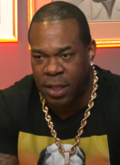
At a bowling alley in Brooklyn, someone walked up to Freshco and introduced himself, told him it would be an honor if Freshco came to see them perform at the Apollo Theater. Freshco asked his friend who that was after the guy left. The friend said something like: "I think he's called Buster. Or Mister Buster. Busta Rhymes or something." Same story. This kept happening — artists who later became legends treating Freshco like the standard before they had a deal.
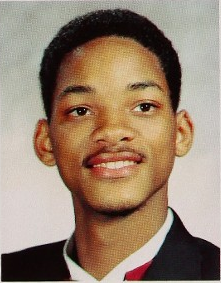
It happened with Will Smith too — before the TV show, before the movie career, before any of it. Freshco knew Charlie Mack, Will's bodyguard, and Charlie brought him to Will's house. They played pool. Will was upstairs resting and never came out. Freshco didn't think much of it at the time. Then The Fresh Prince of Bel-Air happened, and he understood exactly who had been upstairs.
That wasn't the last chapter of the Busta story. Years later, Freshco was working at Soundtrack Studio as a post-production audio engineer. By then, Busta Rhymes was a star — booking regular sessions there for his own records. Every time they crossed paths in those hallways, Busta would stop and say the same thing: "Fresh, I hear you with your post-production sound job — but hip-hop needs you." He said it more than once. More than a few times. Freshco heard it every time. He just didn't understand the full weight of what Busta was trying to tell him. He does now.
The Redman and Keith Murray story happened in the same room, in the same moment. Freshco was the post-production engineer booked for sessions on the El Niño album — the Def Squad project with Redman, Keith Murray, and Erick Sermon. During one of those sessions, it was just Freshco, Redman, and Keith Murray in the room. Redman looked over at Keith and said: "Yo, Keith — you know who this is?" Keith looked at Freshco and said no. Redman said: "That's Freshco." Keith Murray's whole demeanor changed on the spot. "Oh my God. I started rapping because of you." That's exactly how it happened.
The Redman connection started earlier. Before he was Redman, Freshco knew him as Reggie — a kid he'd met through a mutual friend named Hurricane Gloria. Reggie had left his mom's house to stay with Erick Sermon and grind on music full time. He told Freshco he was the best rapper he'd ever heard. Then he said something that didn't land right at the time: "If you ever have a problem with your label, call Erick Sermon." Freshco couldn't make sense of it — why would he call Erick Sermon, another artist, about a problem with Tommy Boy Records? But in hindsight it's clear: Erick had grown into something beyond just an artist — someone who helped other artists find their footing. By the time Freshco saw Reggie outside the Palladium that same night — bandana on, mean face locked in, fully transformed — he was already Redman. The kid was gone. The artist had arrived.
After a show in Connecticut, some guys from the area started moving like they wanted trouble with Freshco's crew. The show was over, the night was supposed to be done. Then Guru — Keith Elam, one half of Gang Starr with DJ Premier, one of the most respected voices in all of hip-hop — stepped out. He pulled his shirt off. Walked straight into the middle of the street. Looked at Freshco and said exactly this: "Freshco. Don't worry. I got your back. These dudes ain't doing nothing to you." And that was that. Nobody moved.
The public never knew any of this. The cameras weren't there. The interviews didn't cover it. But the people in that world — the artists, the crews, the people who understood what it meant to be Freshco — they showed up when it counted. Guru passed away in 2010. He was Gifted Unlimited Rhymes Universal, and he put his body between Freshco and a street full of trouble without a second thought. That's not a co-sign. That's brotherhood.
They were both at a club in New York, a few feet apart, heads nodding to the same music. Freshco walked up. "What's up, LL?" LL said what's up. They both kept listening. Then Freshco figured he should introduce himself — started to say "I am—" and LL stopped him cold. "You don't need to introduce yourself. I've been watching you on MTV all weekend." Rock and Roll Hall of Fame inductee. Actor. One of the biggest names in the history of hip-hop. He already knew. Freshco hadn't finished the sentence.
The Teacha. Boogie Down Productions. One of the most respected MCs to ever touch a microphone. Every time KRS-One would see Freshco, he said the same thing: "We have to get you on Jive Records." Every time. He saw something that needed to be documented, signed, preserved. The opportunity never materialized — not because the interest wasn't real, but because the music industry runs on proximity and timing, and they were never in constant enough contact for the conversation to become a contract. Out of sight, out of mind. But the fact that KRS-One kept saying it every single time they crossed paths says everything about what he saw in Freshco.
Years after Freshco stepped away from the industry, two legends are caught on video in a candid moment — no interview setup, no prompting. Mannie Fresh, the world-famous producer behind the Hot Boys and countless Lil Wayne records, and Beanie Sigel of Jay-Z's Roc-A-Fella Records are just talking. Then Beanie brings up the name: "It was like Freshco and Miz, what!" Mannie lights up immediately — "That was big in New Orleans — a lot of people was like 'Go Freshco.'" Then Beanie lands on the record: "Oh my God... We Don't Play... emmmmm!" Two people from completely different sides of hip-hop — Philadelphia and New Orleans — sitting together on a podcast, and the name that comes up, unprompted, is Freshco. Freshco didn't have to be in the room for his name to be in the room.
When Facebook came, Freshco did what most people did — found old faces from a life he'd stepped away from. What came back surprised him. Grandmaster Caz of the Cold Crush Brothers — one of the foundational figures of Bronx hip-hop, the man whose rhyme book was used without credit in "Rapper's Delight" — responded like they went back decades. MC Milk, from the record Milk is Chillin', reached out the same way. These were rappers Freshco had listened to and respected, people he'd never stood next to in person. And every single one of them came back with the same energy: "What's up, champ." Not "who is this." Not "do I remember you." Champ. Like they'd been holding the title on his behalf.
Then there was Easy Mo Bee — the legendary producer behind Notorious B.I.G.'s "Party and Bullshit," "Machine Gun Funk," "Warning," nearly half of Ready to Die, and the only producer in history to work with both Biggie and Tupac during their lifetimes. He reached out and said something that stopped Freshco cold: "Bro, I hear you. I know who you are. I know how dope you are." He spoke like they'd been friends for thirty years. They had never met. What it meant was simple and staggering at the same time: the name had traveled to rooms Freshco had never been in. The era he competed in had no social media, no algorithm, no way to know who was listening. He just made the music and moved on. Turns out, the music hadn't moved on at all. It had been sitting in people's memories, waiting for a connection that finally came through a phone screen decades later.
He said it himself afterward: "Maybe if I'd known that people knew who I was, I wouldn't have left." But there was no way to know then. Social media didn't exist. You made your mark and hoped it held. His did.
DJ Clark Kent told him to enter. He did. In a field that included Lord Finesse and Masta Ace — both already respected names in the scene — Freshco beat MC Mikey D and MC Surge to win the World Championship.
The New Music Seminar was not a local talent show. It was the most prestigious platform a hip-hop MC could compete on in 1989 — a major industry event attended by every label, manager, and tastemaker who mattered, judged by the people who were actively shaping the culture. Winning it didn't just mean you were the best MC in the building. It meant the entire industry had been in the building and agreed. DJ Clark Kent — Jay-Z's DJ, one of the most trusted ears in Brooklyn hip-hop — was the one who put Freshco's name in. That's not a small endorsement. That's someone with real standing in the scene putting his credibility behind one person. Freshco did the rest.
What makes the Masta Ace chapter worth knowing: before the competition, Masta Ace had already shown Freshco genuine love. He took him to Marley Marl's house up at Palisades Parkway — no agenda, just one MC welcoming another into a room that mattered. Masta Ace wasn't a stranger in that field. He was someone who had already embraced Freshco before any trophy existed. That's the kind of character the hip-hop community was built on.

While building his name as an MC, Shawn Conrad had made a deliberate decision: tuck in the shirt, step into the booth as an engineer, and build something financially real — because hip-hop had given him fame without money. So he went to work at Soundtrack Studio as a post-production audio engineer, and the records that came through the door were the biggest in the game. The work was specific: taking the explicit album masters and building the clean radio edits — stripping the profanity so the tracks could clear broadcast standards and land on commercial radio. The songs he edited this way included Jay-Z's "Hard Knock Life", Method Man's "Judgement Day", Ja Rule's "Murder For Life", and multiple Foxy Brown records — all directed by Kevin Liles, then President of Def Jam Recordings, and coordinated through Folayan Knight, Def Jam's Director of A&R. Those are the versions that played on every hip-hop radio station in the country. The versions people sang along to in their cars on Hot 97. Not the album cuts — the edits.
After multiple sessions, Kevin Liles came to Soundtrack Studio with a proposition: Def Jam would pay Shawn directly — not on the studio's dime, but as their own engineer — to keep doing exactly what he was doing. What Liles didn't know was that the man he was recruiting had already won a World Championship on the same mic stands those artists were rapping into. Hip-hop and Shawn Conrad kept finding each other, no matter which side of the glass he was standing on.
After the Def Jam era, Shawn Conrad didn't step away from the audio world — he walked deeper into it. The same precision he'd built cutting radio edits at Soundtrack Studio made him the engineer 4Kids Entertainment kept calling. And what came through those sessions wasn't small.
The credit list is long — and it's real. Pokémon (the Advance series, Chronicles, and multiple theatrical films). Yu-Gi-Oh! (the original series, Capsule Monsters, and the feature film). Teenage Mutant Ninja Turtles. Winx Club. Ultimate Muscle. Kirby: Right Back At Ya!. Tokyo Mew Mew. Fighting Foodons. Funky Cops. F-Zero: GP Legend. These were the #1-ranked cartoons on American television, and the English audio — every dubbed voice, every battle, every music mix — ran through his hands at Soundtrack Studio and Photomag Sound. When a kid sat down after school in 2002 and heard those shows, what they were hearing was Shawn Conrad's work. Outside of animation, that same precision extended to theatrical film campaigns — post-production sound on the commercials for The Matrix, Shakespeare in Love, and Life Is Beautiful, among others — and to long-running television with Tyler Perry's House of Payne.
Yu-Gi-Oh!
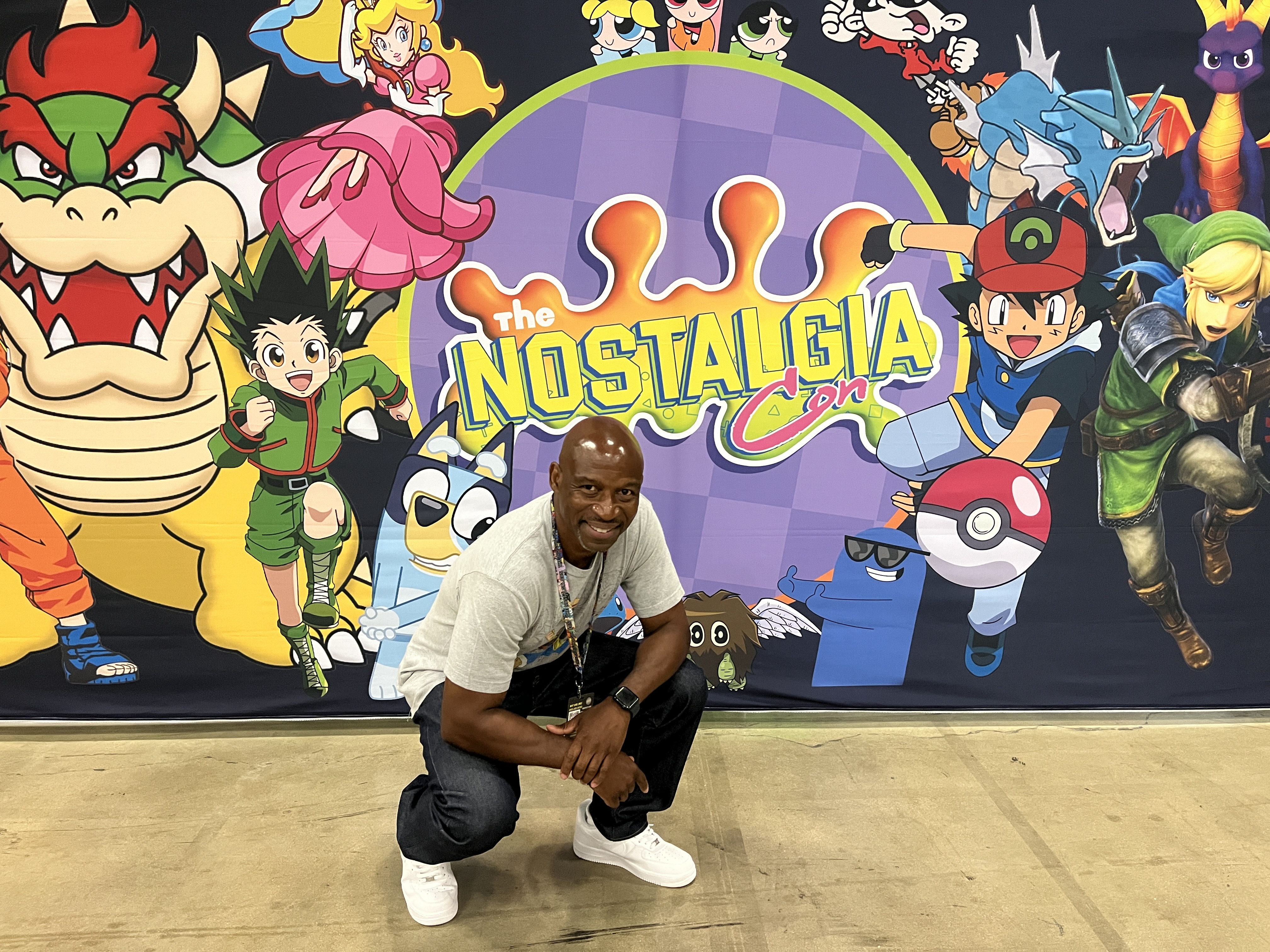
Then there's One Piece. He was already engineering the 4Kids English dub when they asked him to go further: write and perform the rap theme. He did. "One Piece (Pirate Rap)" became one of the most recognized anime themes in North American history — the version a generation grew up with, still knows word for word, and still quotes back to him at conventions decades later. He didn't just mix One Piece. He gave it a voice in America.
The man whose radio edits made Jay-Z's "Hard Knock Life" safe for broadcast — so every hip-hop station in the country could play it — is the same man who shaped the audio of the cartoons your kids won't stop talking about. The same studio. The same ears. A different generation listening.
Before Freshco had a mic, he had a marker. Writing as BLAS, Shawn was an interior bomber on the B, N, RR, D, F, and A trains — running with a crew of legends: MESK, DELK, MR.R, ROACH, KROOK, HERO, and JOE NUTS. The name "Freshco" came out of a conversation with his friend DELK of TST — Shawn took "fresco," put the H in, and a legend was born.
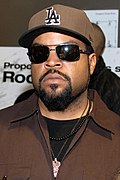
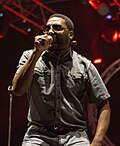
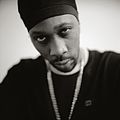
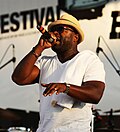
Artist photos: Wikimedia Commons / CC BY-SA
USPTA Certified Tennis Professional. PPR Certified Pickleball Instructor. National Champion. Here's what that looks like in practice.
Most people pick a lane. Shawn paved both — and moves between them without losing speed.
Most people pick a lane. Shawn paved all four — and moves between them without losing speed.
Building intelligent applications that solve real problems — from financial tools to location-aware platforms. Grounded in technical execution and strategic thinking.
Taking players and professionals beyond average — from championship courts to executive boardrooms. Tactical instruction that produces measurable results, fast.
Shawn creates brand entertainment and live experiences that audiences remember for years — with global media credits on some of the most recognized franchises in entertainment history.
Leveraging Fortune 500 experience to help brands scale programs, run strategic initiatives, and produce messaging that connects — and converts.
Not just a strategist who talks about AI — Shawn builds with it. Three production applications developed through AI-directed development.
A production trading application engineered with AI at its core — processing real-time market data, surfacing pattern signals, and executing high-speed decisions with precision. Built end-to-end through AI-directed development, with a live dashboard for monitoring positions, P&L, and signal confidence in real time.
"Know before you go." An iPhone app that shows you who's at the courts and their skill level — before you leave home. Built with React Native + Expo through AI-directed development. Features include real-time location presence (no manual check-in), SSO via Google/Apple/ Facebook, Invisible mode, and skill-level matching. Currently completing TestFlight validation ahead of App Store submission.
A live demonstration of Shawn's AI architect methodology. This entire site — content strategy, design system, code, and structure — was built through AI-directed development. Shawn directed the vision, caught the details, and solved creative challenges. The AI executed. The result is what you're looking at. "The best AI architects don't just use AI — they direct it."
Have an idea that needs AI to make it real?
Let's Build Something Together20 years of optimizing human performance systems across sports, entertainment, and Fortune 500 strategy. Now I build AI systems. Same principles — new tooling.
That gap is where I live. My background isn't a distraction from technical work — it's what makes my technical work land differently. I've spent two decades translating complex systems into human outcomes across industries. AI is the next domain. The principles don't change.
I direct the full product development of production applications through AI-directed development — defining what gets built, how users experience it, and what quality looks like at every stage. I bring the strategic clarity to know which problems AI should actually solve — and how to communicate that to the people who need to act on it.
Let's Talk RolesWritten, produced, mixed, and performed by Shawn Conrad.
Shawn built something I didn't think was possible in the timeframe. The dashboard processes live market data in real time, flags signals, and gives me visibility I never had before. It's production-grade work.
From day one, Shawn showed up prepared, professional, and ready to deliver. His ability to bring strategic thinking and creative energy to our brand campaign was unlike anything we'd seen.
He doesn't teach to the average — he finds your ceiling and pushes you past it. Shawn has an ability to break down complex ideas and make them land. That's rare, whether you're on a court or in a boardroom.
Shawn's competitive resume speaks for itself — national champion, Wilson-sponsored, USPTA certified. But what sets him apart is how he translates that championship experience into program development. He builds systems that produce winners.
We brought Shawn in to evaluate our racquet sports program and within weeks he'd identified gaps we'd missed for years. His credibility with our athletes and coaching staff was immediate — you can't fake a national title.
— More testimonials and video references available upon request —
Two live production applications built and shipped through AI-directed development — a real-time financial trading platform and a mobile app on TestFlight. Not prototypes. Not demos. Production.
Most people are one or the other. Shawn has spent 20 years operating at the intersection — Fortune 500 campaign strategy, world-class coaching systems, and now AI product development. The through-line is results.
Shawn's presence is magnetic — whether in a boardroom, on a court, or on stage. He translates complex technical work into terms that move stakeholders, influence adoption, and get teams aligned.
Unmatched professionalism. He shows up ready, delivers results, and builds long-term relationships. Known by clients as the easiest high-performer they've ever worked with.
You're looking for a senior AI engineer who ships production code and brings Fortune 500 strategic clarity to every build. Whether it's a full-time role, a contract engagement, or a technical conversation — it starts here.
Whether you're looking to book Shawn for a convention, hire him for a coaching program, partner on a brand initiative, or bring him onto your team — the conversation starts here.